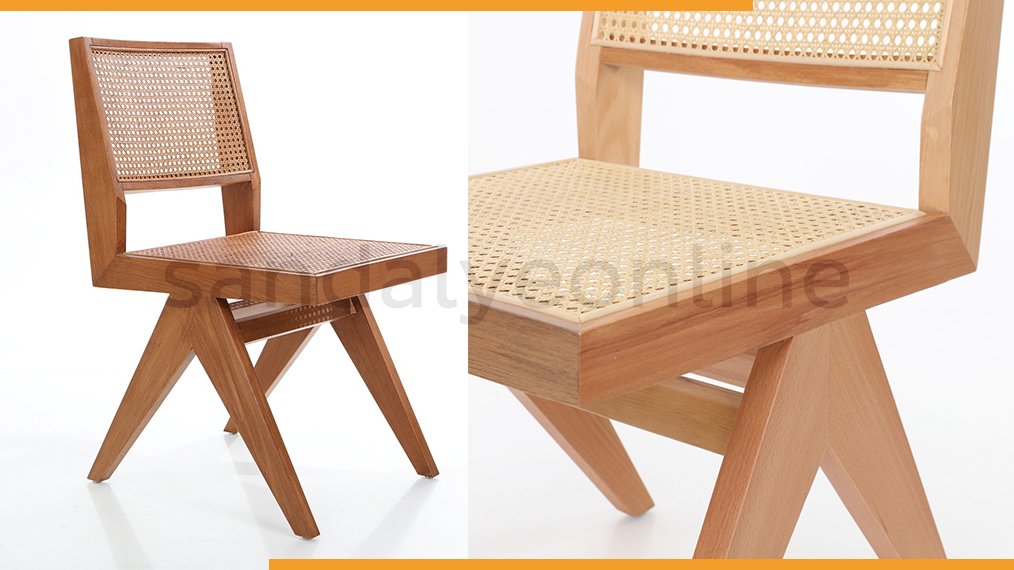
Before Choosing a Chair: Compare Dimensions, Materials and Product Details

Chair information presented online is not always organised consistently. One description may emphasise overall height while another lists seat height, and a photograph may represent several available finishes. Before comparing options, identify which details describe the same thing. Define the intended setting first, then prepare a common information list for every candidate. This creates a clearer basis for selection than appearance alone.
Understand what each measurement describes
Overall width and seat width should not be used interchangeably. The outer edges of arms, back and legs affect furniture placement, while seat measurements describe a different part of the product. For a chair intended to pass beneath a table, overall height alone is insufficient. Request an annotated drawing rather than estimating missing dimensions from a photograph, and review it with the existing table information.
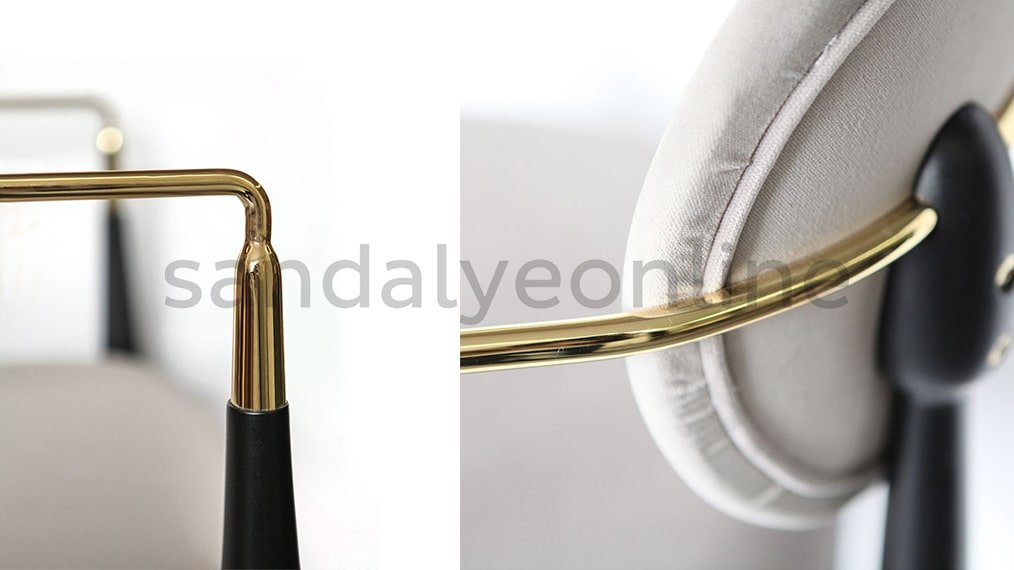
Separate the material from its finish
Broad descriptions such as wood, metal or upholstered do not explain every product characteristic. Ask separately about the visible material, finish choice and care instructions. Similar appearance does not establish identical use conditions or cleaning methods. An indoor product photograph should not be treated as evidence of outdoor suitability; request a clear statement about the intended use.
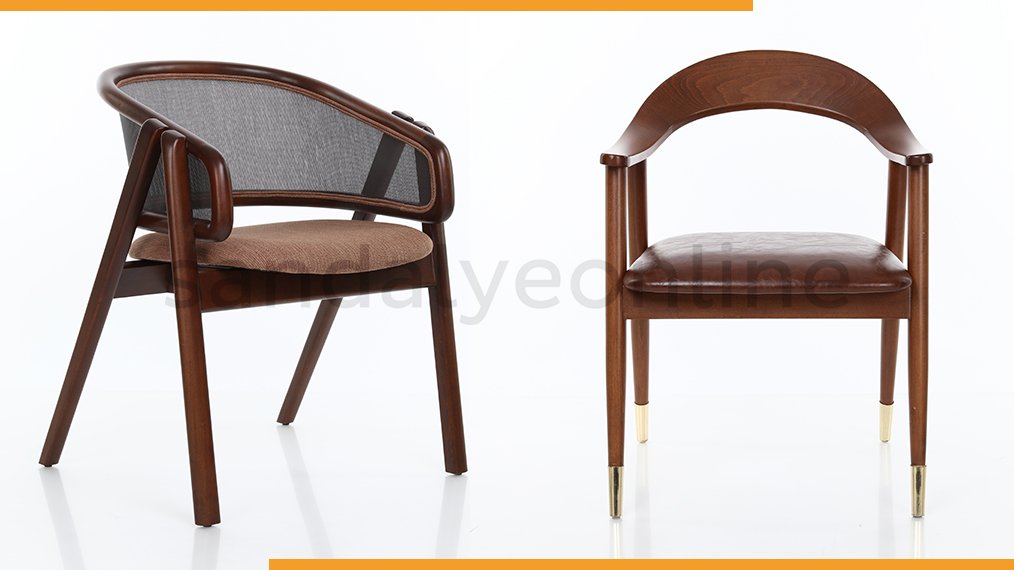
Match photographs with the quoted configuration
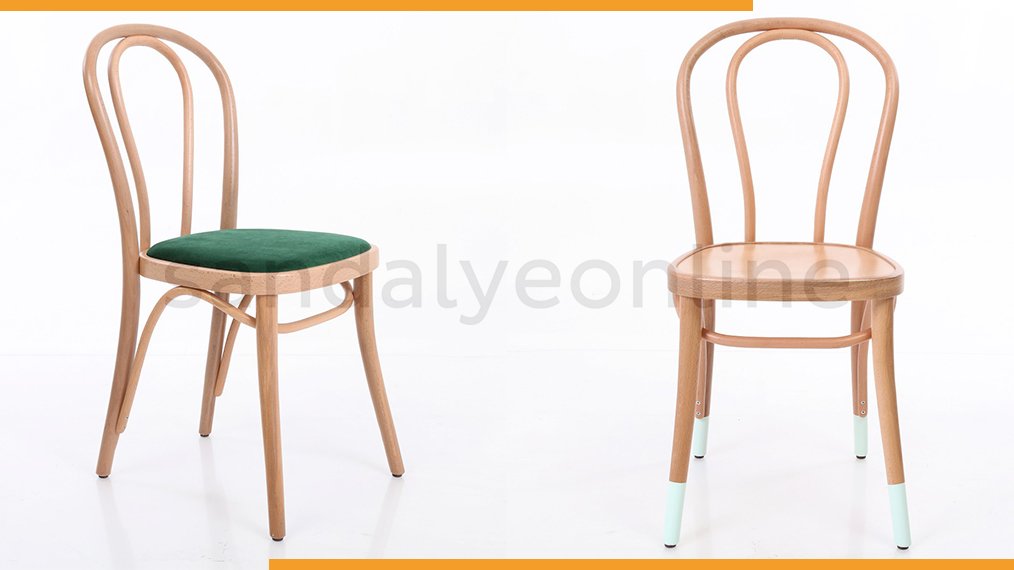
Check whether the arms, base or upholstery shown in the image belong to the quoted item. Do not infer stacking capability or an adjustable component from appearance alone. Where a product family includes different options, record the complete reference for each candidate. This prevents two configurations from being compared as if they were the same chair.
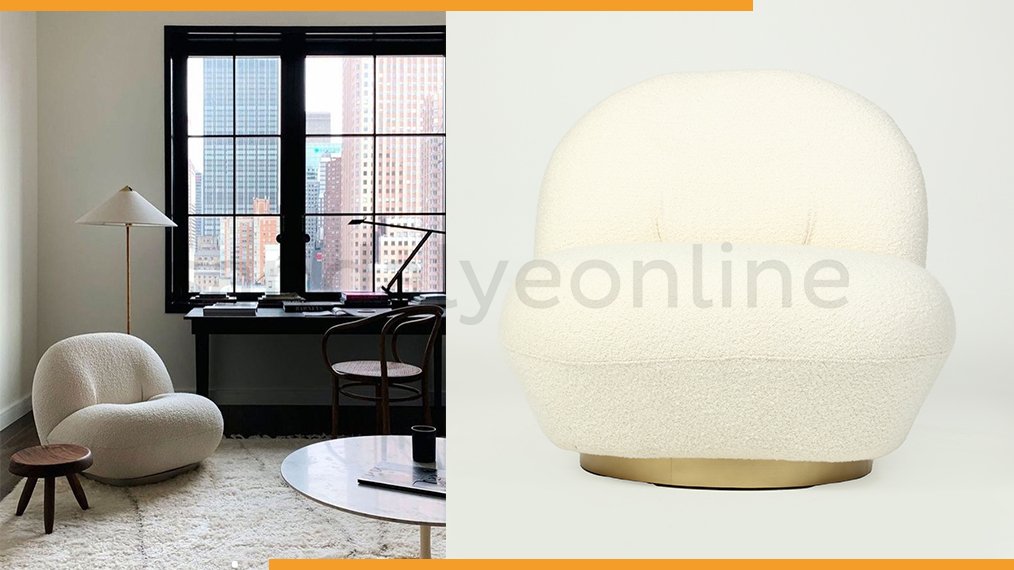
Bring style decisions into the actual setting
When selecting restaurant chairs or café chairs, review product images alongside table and flooring samples. Different design languages can be connected through a considered shared detail; a rigid matching rule is not always useful. Seeing colour and finish samples within the interior makes the decision more concrete.
Close the comparison before ordering
The final list should contain product references, quantities, dimensions and selected finish or upholstery codes. Resolve unanswered questions in the quotation and identify the configuration covered by sample approval. Sandalyeonline is a Turkey-based international B2B contract and hospitality furniture manufacturer. Share your layout and completed selection list with our export team to define the project quotation.